
Cold open
↻replayThe phone had one API: pick it up.
Actual Star Phone footage from Starbase, TX. It is ringing.
Note
A public interface connected to a network I did not control, offered to people whose behavior I could not predict.
A public interface connected to a network I did not control, offered to people whose behavior I could not predict.
After GPT-4
I did two things.
They looked unrelated. They were not. Both were public interfaces attached to unpredictable networks.
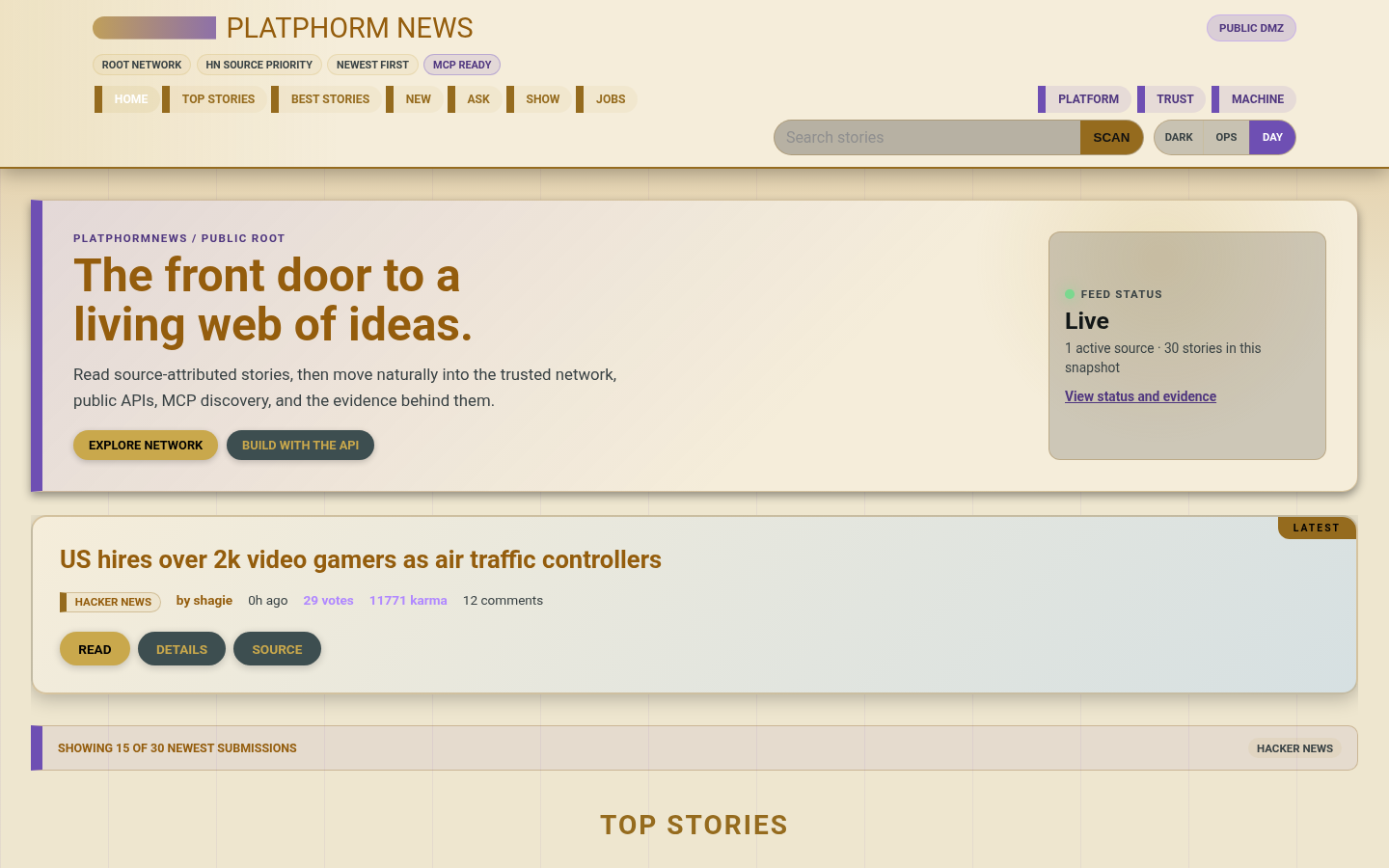
- 01Built the first PlatPhormNews tool: a Hacker News reader for my own eyes.
- 02Went to Starbase and installed a public telephone along the highway.
PlatPhormNews origin
I wanted my own news feed.
- ▸Hacker News.
- ▸No ads.
- ▸Full mobile screen.
- ▸Readable, fast, dense, a little LCARS — but not a theme park.
AI did not make judgment less important. It made some implementation less expensive. The bottleneck moved from implementation toward judgment.

Readability and accessibility
Assumption debt
- ▸Readable is not just a theme toggle.
- ▸Accessibility is the reduction of required guesswork.
- ▸Good systems radiate the information needed to use them safely — fire hydrants, transit, street signage. No manual.
- ▸I was not building for everyone perfectly. I was learning to stop building only for myself.
Technical debt makes systems harder to change. Assumption debt makes systems harder to understand.
Internationalization philosophy
English is an invisible dependency.
This network is not fully internationalized. That is exactly the point: the constraint is visible now instead of discovered later.
- ▸Internationalization became a design constraint — not a claim that everything was fully internationalized.
- ▸Language, locale, layout, and meaning become expensive when they remain invisible assumptions.
Three small experiments
Smaller surfaces taught more than giant prompts.
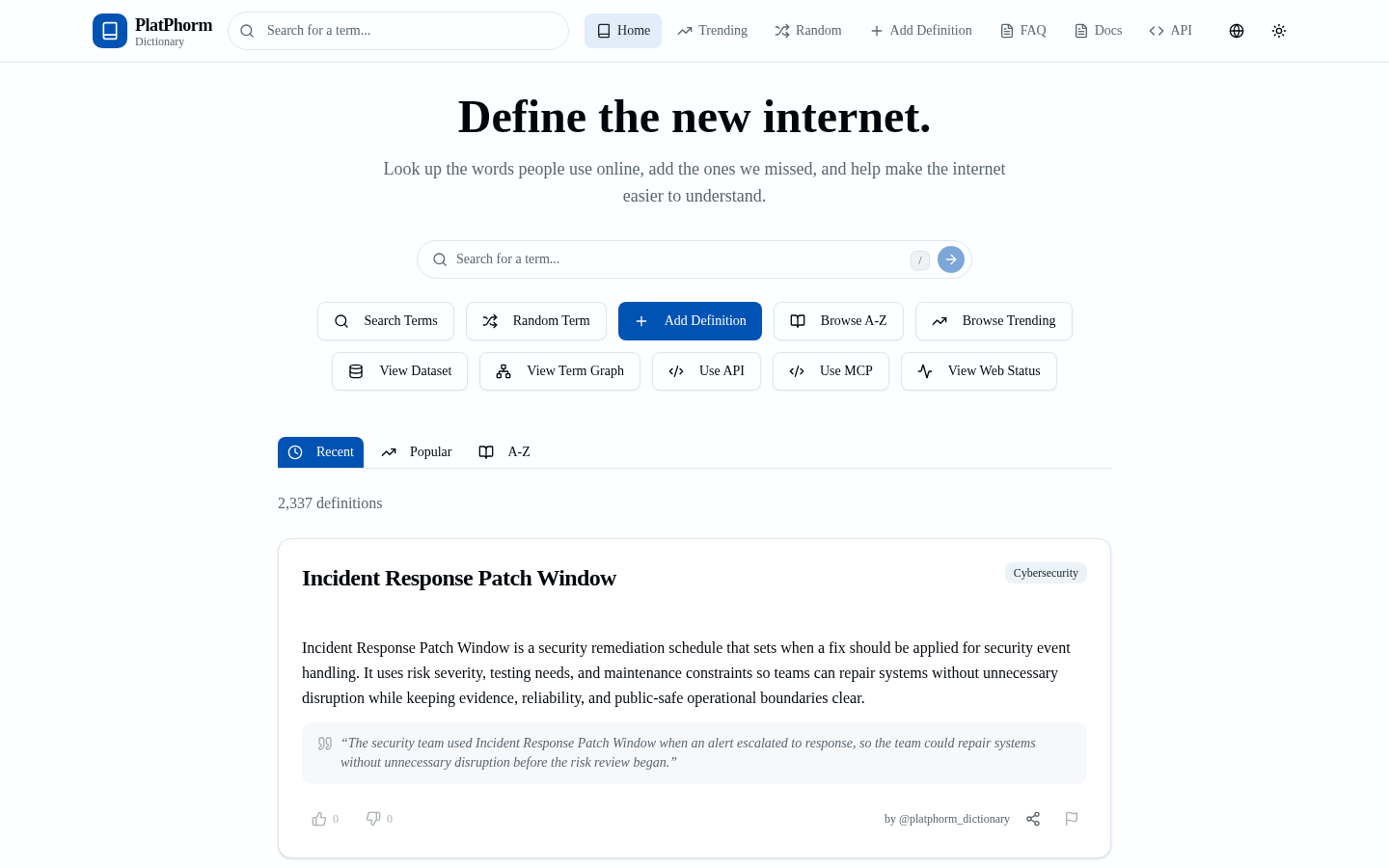 Real capture
Dictionary
●livedictionary.platphormnews.com
Living glossary for terms used by Michael, LLMs, and community contributions. Humans get shared vernacular. Agents get context before inventing it.
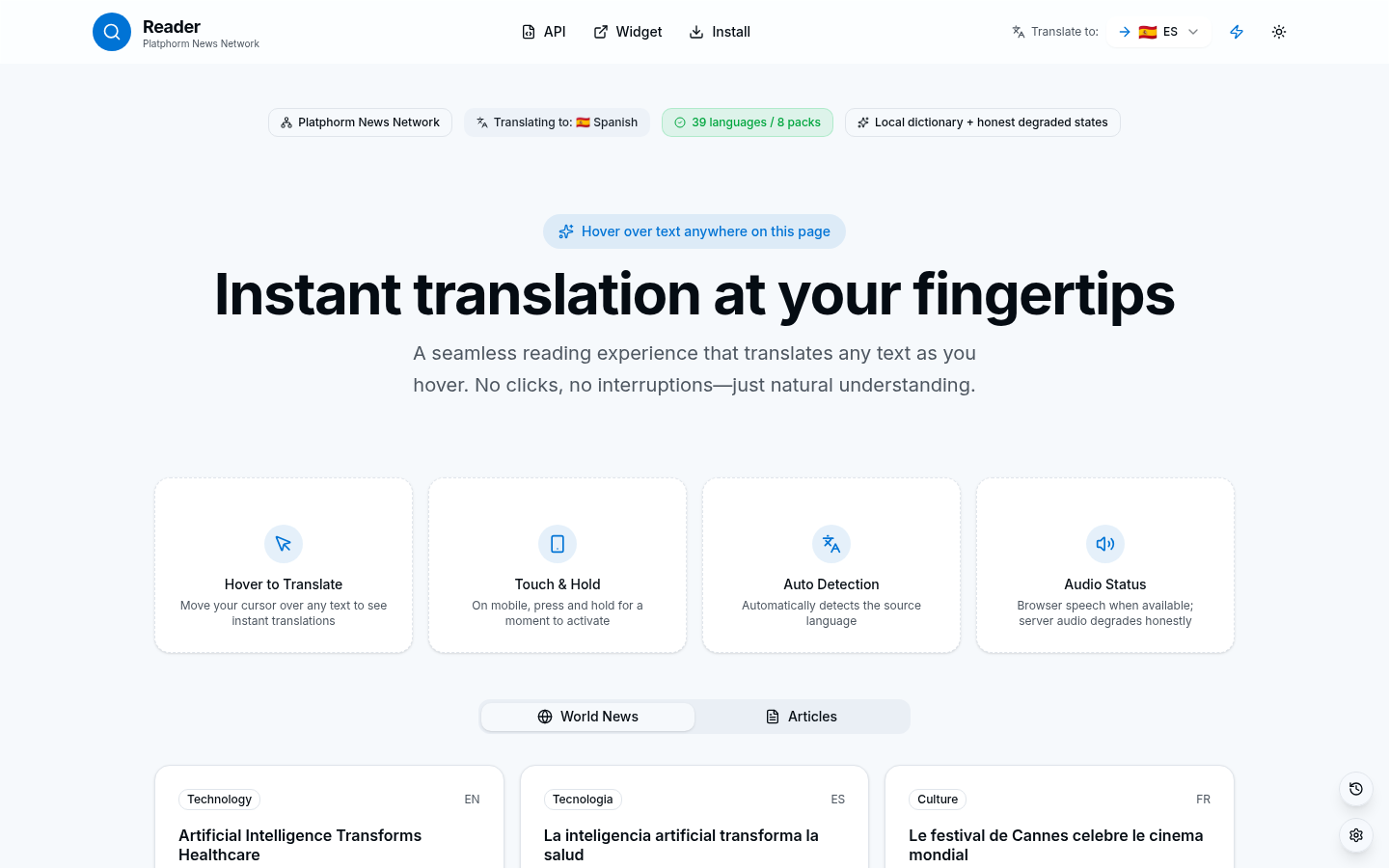 Real capture
Reader
●livereader.platphormnews.com
Singleton translation component: hover or touch text to translate. One job. Easier to maintain than a giant prompt. Demos use synthetic content only.
 Real capture
Fortune Fog
●livefortune.platphormnews.com
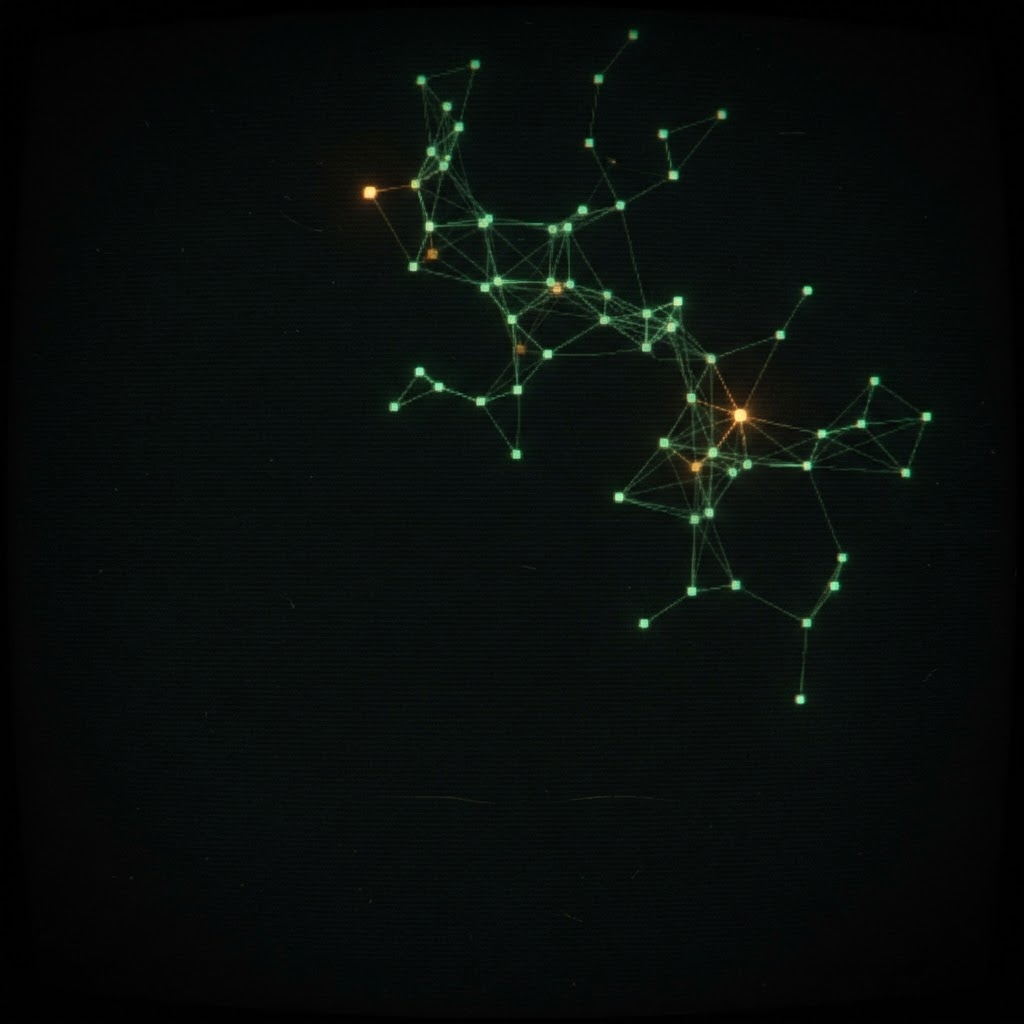
Years of quotes, goals, principles, borrowed lines, and random writing turned into a playful interface. Useless enough to be useful.
One system, three audiences
Human. Machine. Evidence.
Human — network graph
●liveplatphormnews.com/network/graph
Human — base
●livebase.platphormnews.com
Machine — graph API
●liveplatphormnews.com/api/network/graph
Machine — RSS
●liveplatphormnews.com/rss.xml
Evidence — trace
↻replaytrace.platphormnews.com/traces/3066b1e21b638648b82f3109affaad26
A human should not have to read JSON to understand the graph. A machine should not have to scrape a visual UI to reason over it. An operator should not have to reconstruct an unattended workflow from vibes.
Privacy vs. operational telemetry
I am not trying to learn who you are. I am trying to learn what the system did.
- ▸Public reader surfaces: no ads, no behavioral ad profile, no cookies required just to serve a page.
- ▸Workflow telemetry: operational evidence for distributed, unattended, agentic workflow experiments.
Surveillance asks: who is this person? Evidence asks: what did this system do?
Machine affordances
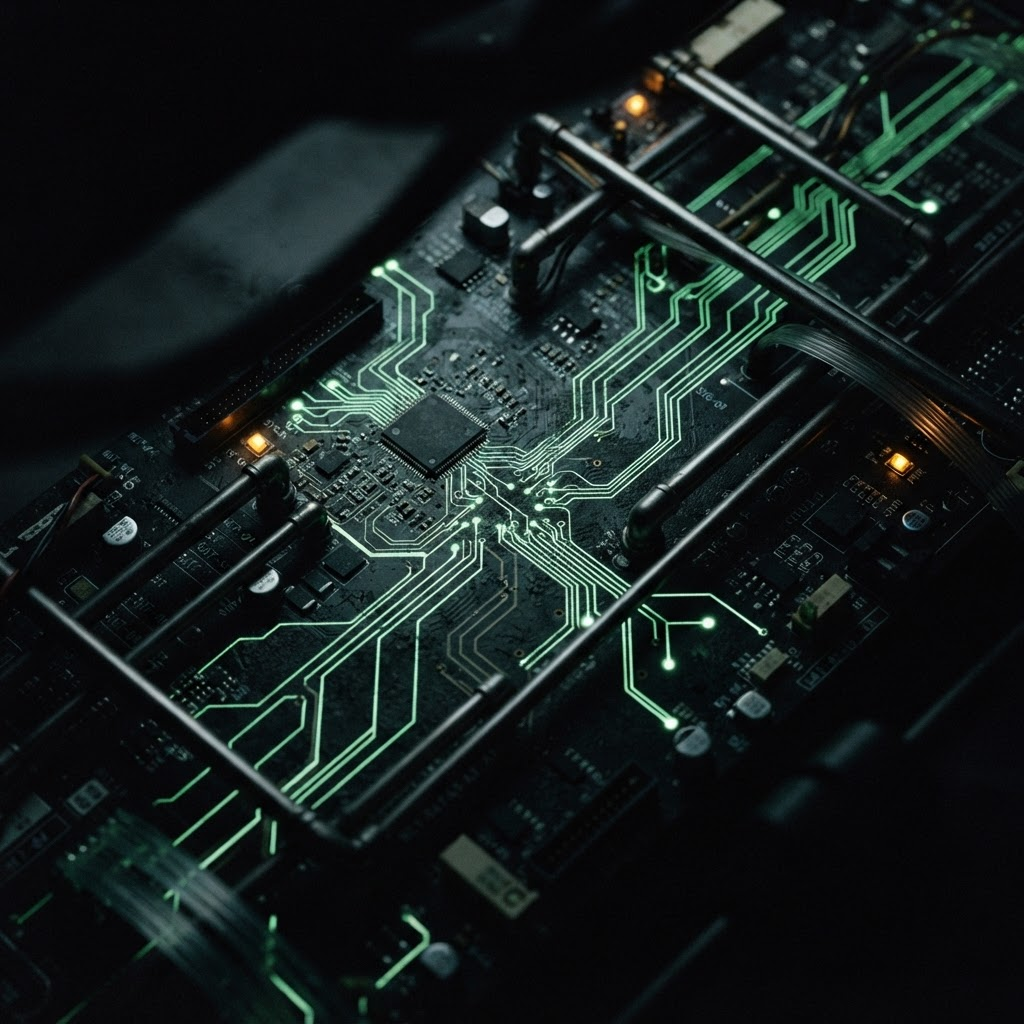
Machines need affordances too.
Do not make every agent carry a 40-page onboarding prompt. Let the system explain itself.
- ▸What are you?
- ▸What can you do?
- ▸What do you know?
- ▸What do you accept?
- ▸What may you change?
- ▸Where is the evidence?
Give the machine context. Let it discover capability. Tell it the outcome you actually want.
Bounded autonomy
The agent does not need the whole Internet.
It needs enough local context to solve the problem.
- 01Trigger / intent
- 02Context envelope
- 03Discover approved capabilities
- 04Reason within policy
- 05Act through infrastructure
- 06Receipts + trace
- 07Human / next system
Autonomy does not mean unlimited choice. It means useful choice inside explicit boundaries.
A concrete run
One file, seven decisions.
The agent chooses among permitted capabilities. It does not redefine the guardrails.
- 01File arrives.
- 02Intent says it may be JSON.
- 03Validate JSON through json.platphormnews.com.
- 04Dry-run contract through spec.platphormnews.com.
- 05Test safely through sandbox.platphormnews.com.
- 06If it is a useful OpenAPI/MCP spec, choose destination: docs, files, GitHub, artifact registry.
- 07Preserve receipt and trace.
 Real capture
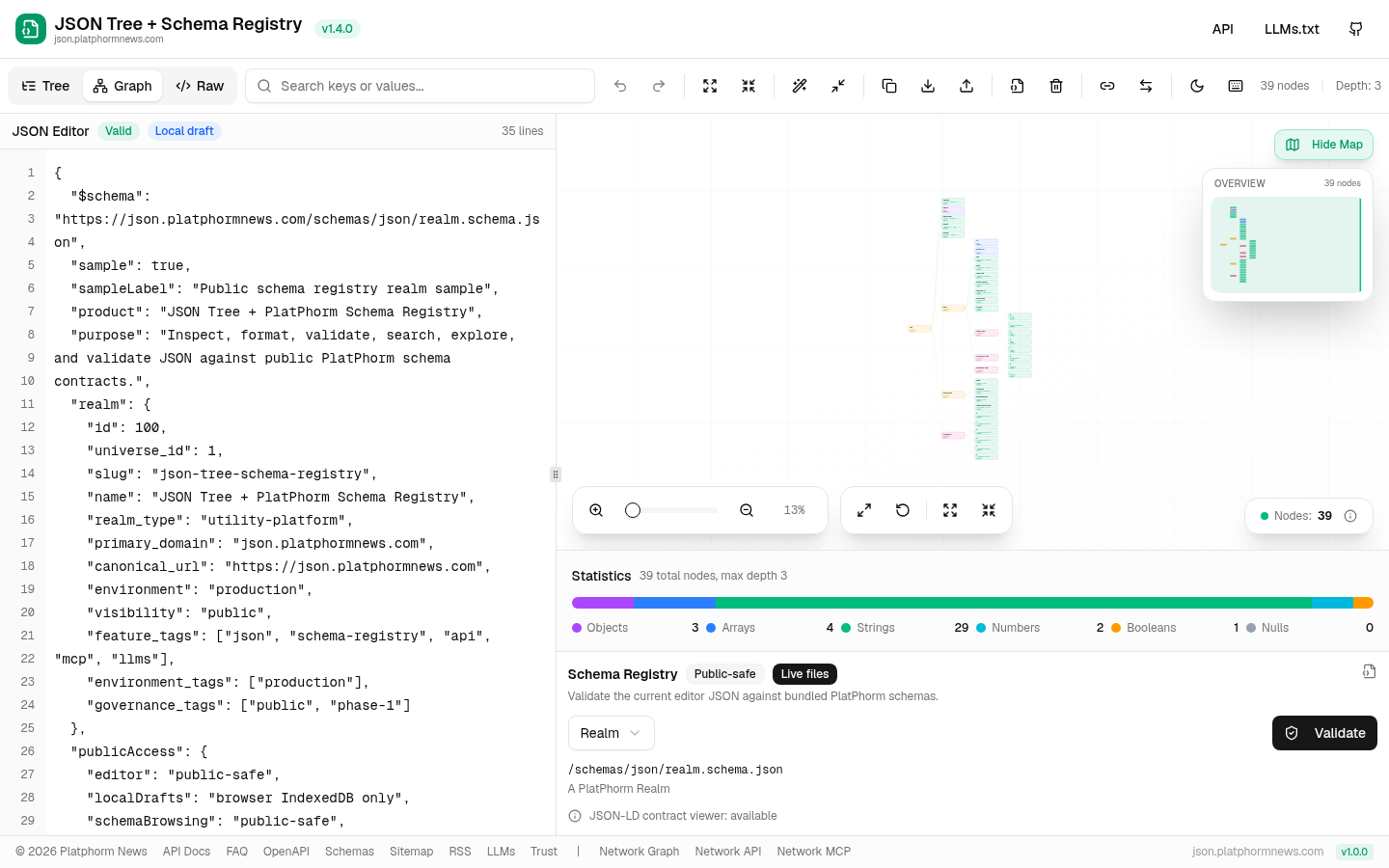
json.platphormnews.com
●livejson.platphormnews.com
JSON Tree + Schema Registry. Validate against public PlatPhorm schema contracts.
 Real capture
spec.platphormnews.com
●livespec.platphormnews.com
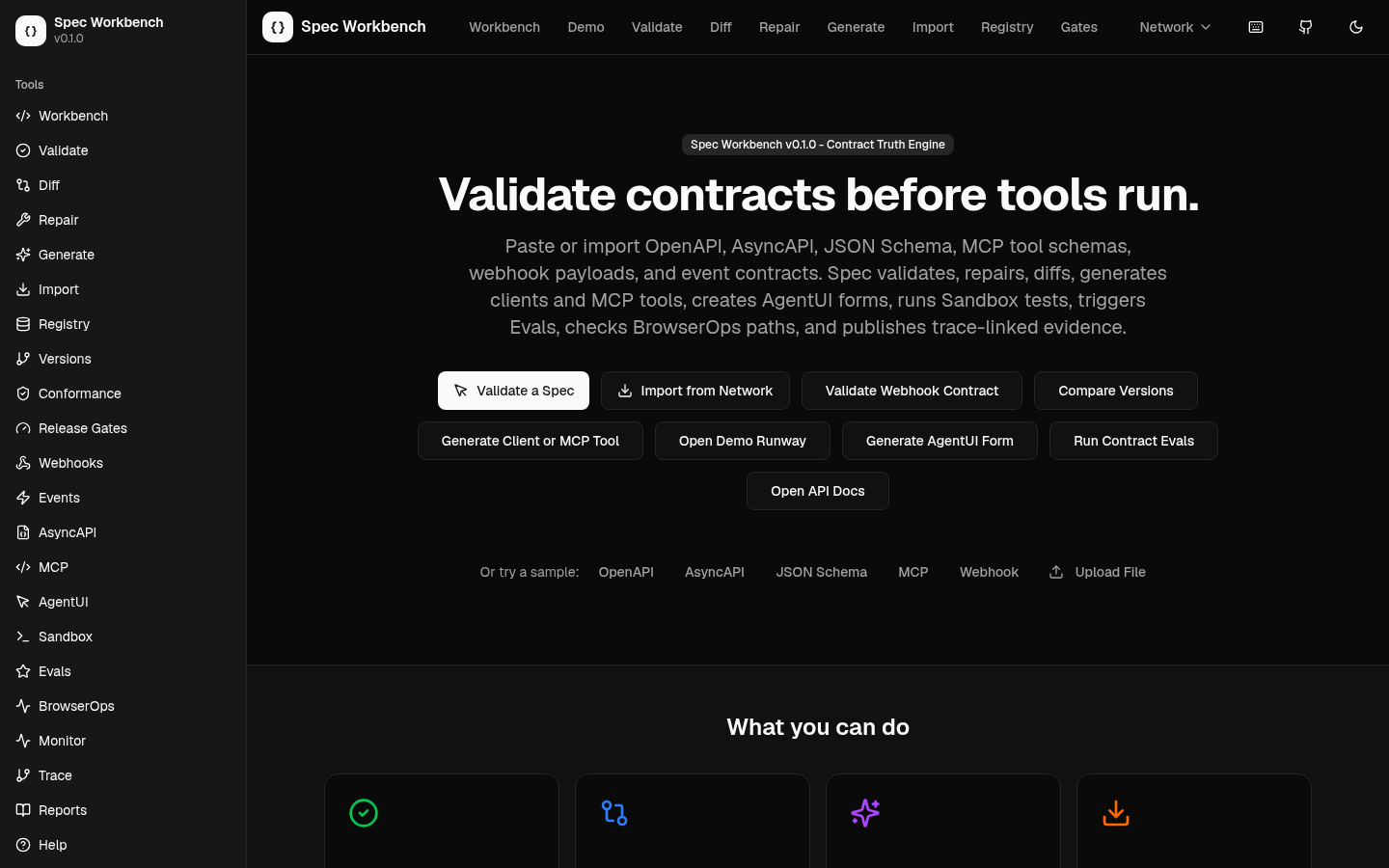
Spec Workbench: validate contracts before tools run. OpenAPI, AsyncAPI, MCP, webhooks.
 Real capture
sandbox.platphormnews.com
●livesandbox.platphormnews.com
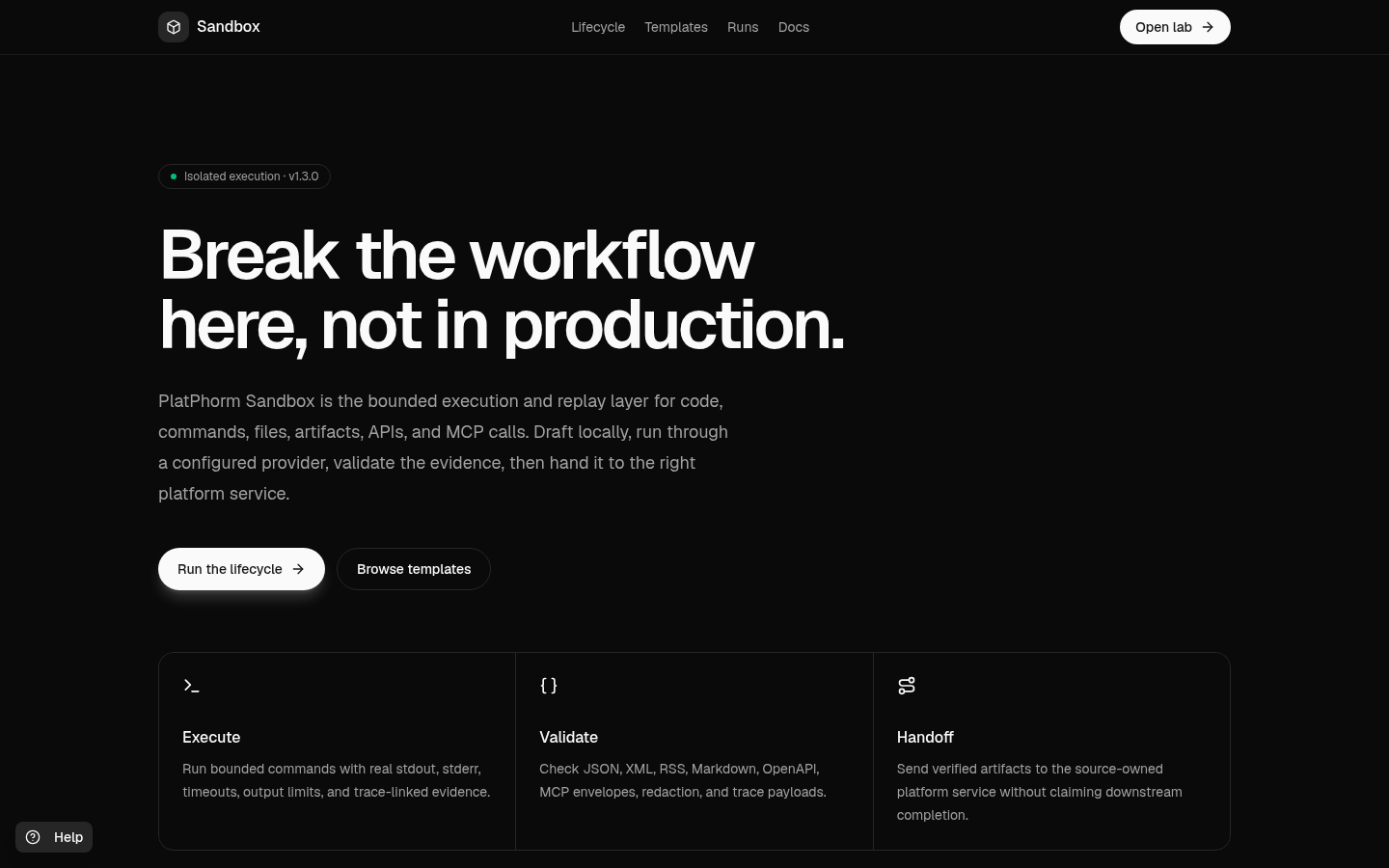
Break the workflow here, not in production. Bounded execution with trace-linked evidence.
Agency inside governance
Guardrails around the reasoning layer
Guardrails
- −WAF
- −TLS
- −Transport fingerprints
- −Load balancing
- −IAM
- −Data routing / NiFi
- −DLP
- −Storage controls
- −Policy
- −Cost limits
Reasoning layer
- +Discover
- +Choose
- +Compile
- +Summarize
- +Request approval
- +Produce artifact
Reasoning chooses among permitted capabilities. Infrastructure still decides what is actually possible.
Operating model
The operating model
Not anti-human. Not anti-tool. Big feature-rich tools still matter. The point is to skip repetitive preparation and move humans toward judgment.
Machines assemble context. Humans exercise judgment. Infrastructure enforces policy. Evidence keeps everyone honest.

DFIR context assembly
Compress the distance to judgment.
Old loop
- −Human finds data
- −Human exports data
- −Human normalizes timestamps
- −Human creates timeline
- −Human joins endpoint, identity, proxy, firewall
- −Human copies into Excel
- −Human discovers attacker pivoted into an inaccessible zone
- −Human requests access
- −Human goes back and repeats
Improved loop
- +Intent
- +Trusted context
- +Agent discovers approved capabilities
- +Fetch / validate / transform / compile
- +Evidence-backed artifact
- +Human review
- +Update workflow / eval / policy
Systems should publish facts
We built systems faster than we taught them to explain themselves.
Not every fact. The facts required to make decisions later.
Inventory says
- −Package exists
- −Service deployed
- −Policy claims disabled
Evidence asks
- +Was it built?
- +Enabled?
- +Reachable?
- +Executed?
- +Did the mitigation work?
- +What changed last night?
Design the evidence backward from the future question.
Trust from implementation
Trust should emerge from implementation, not reputation.
Social proxies
- −Logos
- −Brands
- −Search rank
- −Polish
- −Familiarity
Engineering evidence
- +Standards
- +Contracts
- +Provenance
- +Runtime behavior
- +Receipts
A trustworthy internet is not one where every site is trusted. It is one where trust is easier to evaluate.
Vulnerability assessment
Software should participate in its own vulnerability assessment.
Without turning the evidence surface into the vulnerability.
- 01Built?
- 02Enabled?
- 03Reachable?
- 04Executed?
- 05Mitigated?
CVE names the defect. Evidence tells us whether it matters here.
OpenClaw and the public tool movement
OpenClaw proves the appetite. PlatPhorm explores the operational discipline.
Exploration
- −Broad tools
- −Public surfaces
- −Chat
- −Browsing
- −Optionality
- −Play
Operations
- +Scoped capability
- +Local context
- +Policy
- +Trace context
- +Receipts
- +Repeatability
Great. Now operationalize it.
Maturity curve
Evidenced autonomy
Evidenced autonomy is autonomous execution where consequential decisions, capability use, authority transitions, data access, side effects, degradation, and outcomes produce enough evidence to reconstruct and evaluate the run afterward.
- 01Chat
- 02Tools
- 03Agents
- 04Unattended autonomy
- 05Bounded autonomy
- 06Evidenced autonomy
PlatPhorm is a beast
Do not copy my network.
- ▸Anyone can build a pile of sites now.
- ▸No one should casually try this pattern without evidence discipline.
- ▸The lesson is not "copy my network."
- ▸The lesson is "make your systems legible."
The stack is familiar
The operating model is not.
The JavaScript stack is common. The cross-network machine-readable evidence contract is the experiment.
- ▸Application: Next.js, React, TypeScript, Tailwind, shadcn/Radix.
- ▸Contract: JSON, JSON Schema, OpenAPI, MCP.
- ▸Agent/content: llms.txt, metadata, feeds, APIs, tools.
- ▸Observability: traceparent, correlation IDs, traces/spans, logs.
- ▸Platform: Vercel, Cloudflare, GitHub, containers where useful.
The numbers, cited
●liveEvery number on this slide has a source you can curl.
Counts captured from live surfaces. The deck header re-verifies them against the network on load.
The recurring sidebar component alone is duplicated 55 times and imported 5,698 times across the network. That is a shared dialect, not an accident.
 Real capture
PlatPhorm Capability Catalog
●livecatalog.platphormnews.com
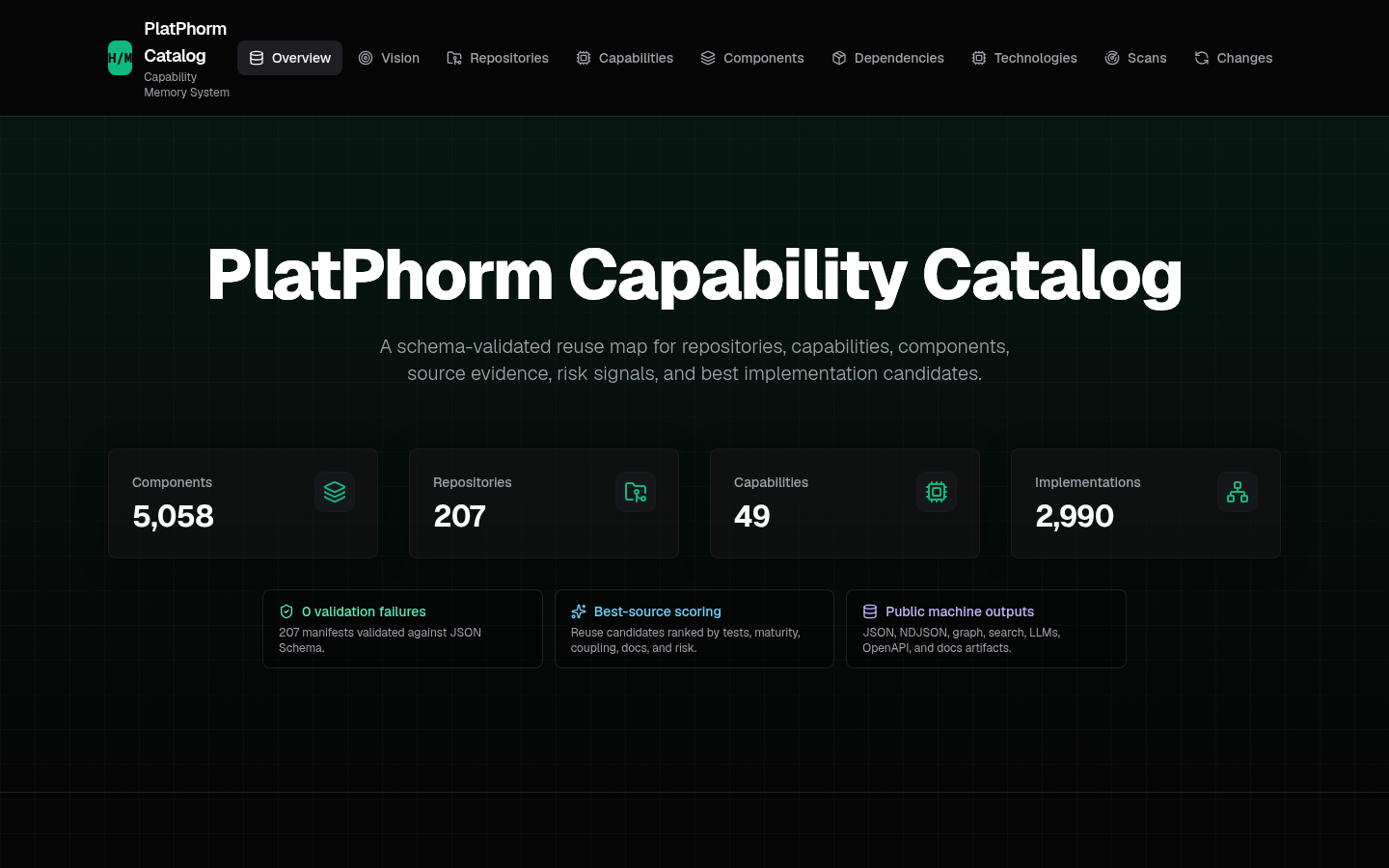
A schema-validated reuse map: repositories, capabilities, components, source evidence, risk signals, best implementation candidates. 0 validation failures across 207 manifests.
- 270
- Network sites
- 317
- Graph nodes
- 367
- Graph edges
- 59
- MCP tools
- 207
- Repositories
- 5,058
- Components
- 2,990
- Capability implementations
- 49
- Detected capabilities
src: platphormnews.com/api/network/graph
src: platphormnews.com/api/network/graph
src: platphormnews.com/api/network/graph
src: platphormnews.com/api/mcp
src: catalog.platphormnews.com
src: catalog.platphormnews.com
src: catalog.platphormnews.com
src: catalog.platphormnews.com
The network beats the node
The individual tools are not the invention. The shared contract is.
A JSON formatter is not novel. A trace viewer is not novel. An MCP server is not novel. The experiment is what happens when radically different capabilities share an observable, testable operating model.
Career through-line
A lineage, not a resume.
- 01PH3AR / 2600 — play, exploration, consent, teams
- 02Sysco — enterprise ops, critical logistics, bottlenecks
- 03Mandiant — evidence at scale, forensics, IoCs, Windows/Linux
- 04DevOps / Dagah / Rapid7 — tools, pipelines, mobile security, detection delivery
- 05FoxIO + ventures — fingerprints and moonshots
- 06Sirius / CDW — modernization, Kubernetes, observability, customers
- 07AI / PlatPhorm — execution evidence, machine-legible workflows
How do you understand a system when the interesting behavior happens between components, people, decisions, and time?
Execution fingerprint
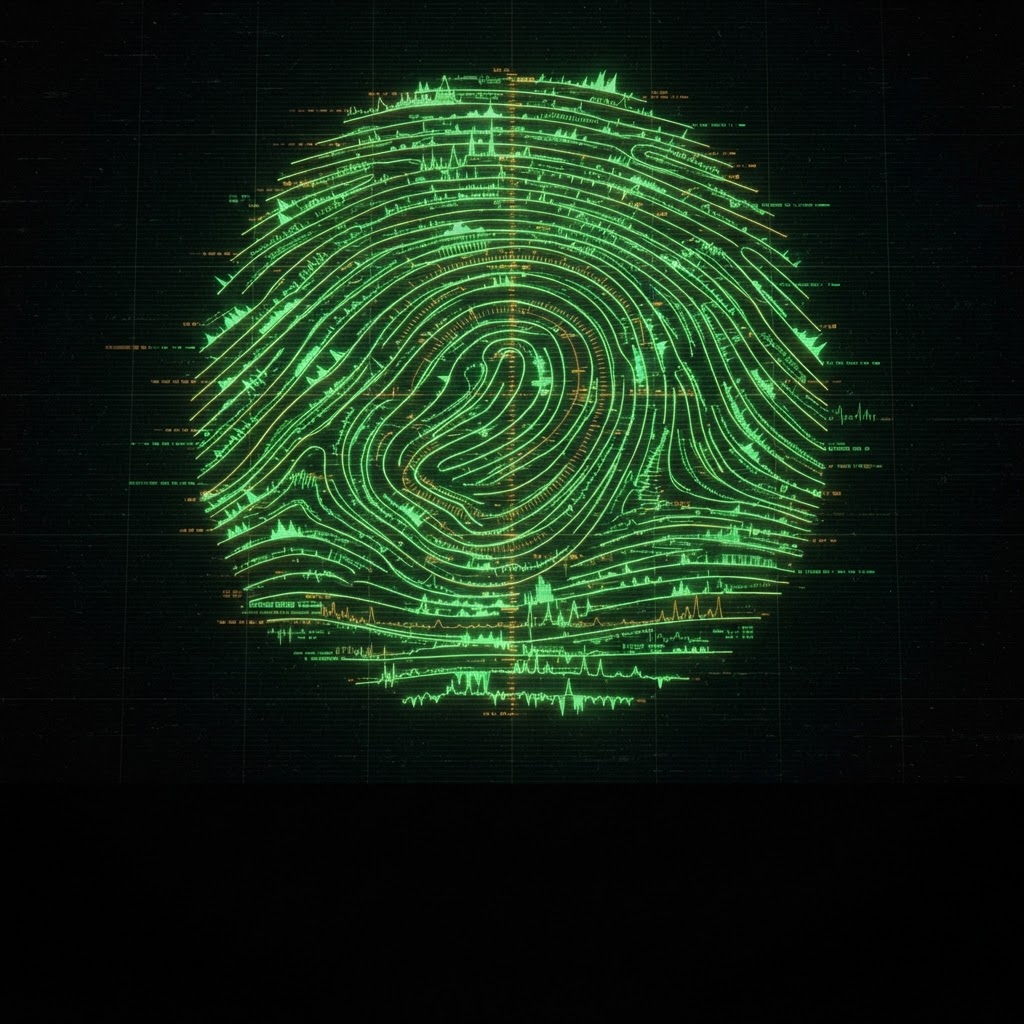
The next fingerprint is the execution.
Not chain of thought. Chain of custody.
- ▸Connection fingerprint: how a client speaks.
- ▸Execution fingerprint: how a system acted.
- ▸Trace = record.
- ▸Fingerprint = comparable shape.
- ▸Receipt = independent confirmation.
Typically, design. This method.
You are not watching a slide deck.
A typical deck
- −Static export, dead the moment it renders
- −Claims without receipts
- −Numbers pasted in weeks ago
- −Demo screenshots taken on a good day
- −Only humans can read it
- −When the talk ends, it evaporates
This method
- +A live page on the network it describes
- +Every number cites a URL you can curl
- +Counts re-verified against live APIs on load
- +States labeled honestly: live, replay, screenshot
- +Machines read /api/talk/hope and llms.txt
- +The talk instruments itself — next slide
The deck is a node in the network it is describing.
The reveal
●liveThis talk is tracing itself.
Real authenticated writes to trace.platphormnews.com. Rate-limited, presenter-initiated, public-safe payloads only.
This page holds a server-side credential for the PlatPhorm Trace Observatory. Watch: the deck opens a real trace on the production evidence system, marks spans as we move, and completes the run — then we open the waterfall on the same infrastructure you just saw.
Live trace console
no runThe credential lives server-side only. Fixed action set, allowlisted span names, rate limited. The contract decides — not the caller.
Receipts
awaiting presenter input — nothing has been claimed, so nothing needs proving yet
The presentation leaves a fingerprint. On purpose. In front of you.
Live demo — trace wall
Interrogate the run.
Ask the run
- ?What triggered it?
- ?What did it know?
- ?Which tools were available?
- ?Which did it choose?
- ?What touched data?
- ?What degraded?
- ?What changed?
- ?Who can confirm it?
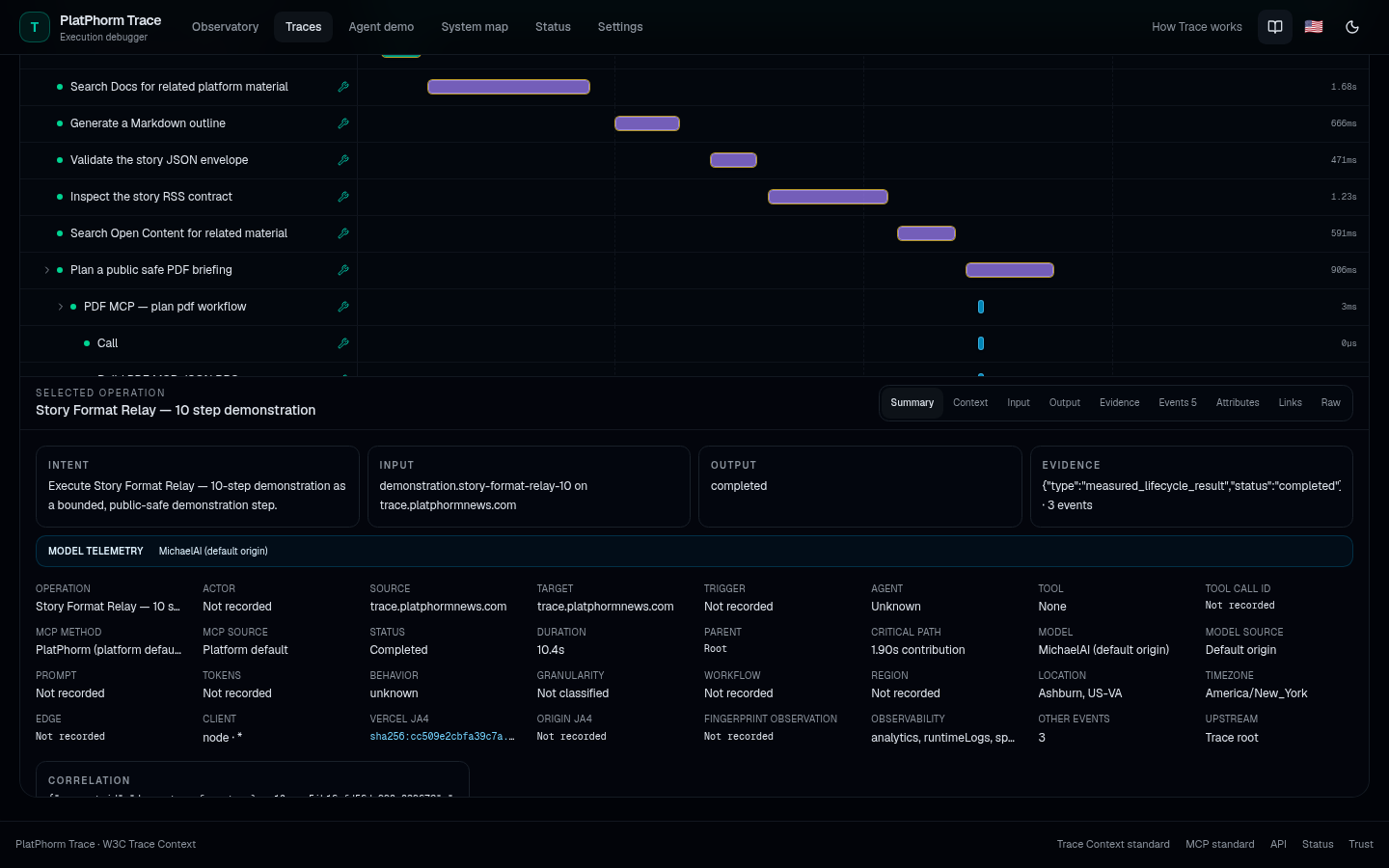 Real capture
Story Format Relay — 10-step demonstration
↻replaytrace.platphormnews.com/traces/3066b1e21b638648b82f3109affaad26
Prebuilt uncertainty. The investigation is live; the run is preserved. 16 spans, 12 services, 14 tools, 0 errors, model MichaelAI.
Readiness check
Define weird
Weirdness is disagreement, missing receipt, unusual path, or evidence gap.
Four concepts
- −Contract — what was allowed or expected
- −Trace — what path appeared to execute
- −Receipt — what another system can confirm
- −Fingerprint — what comparable shape the run had
Classifications
- +Expected
- +Allowed but unusual
- +Violation
- +Unknown
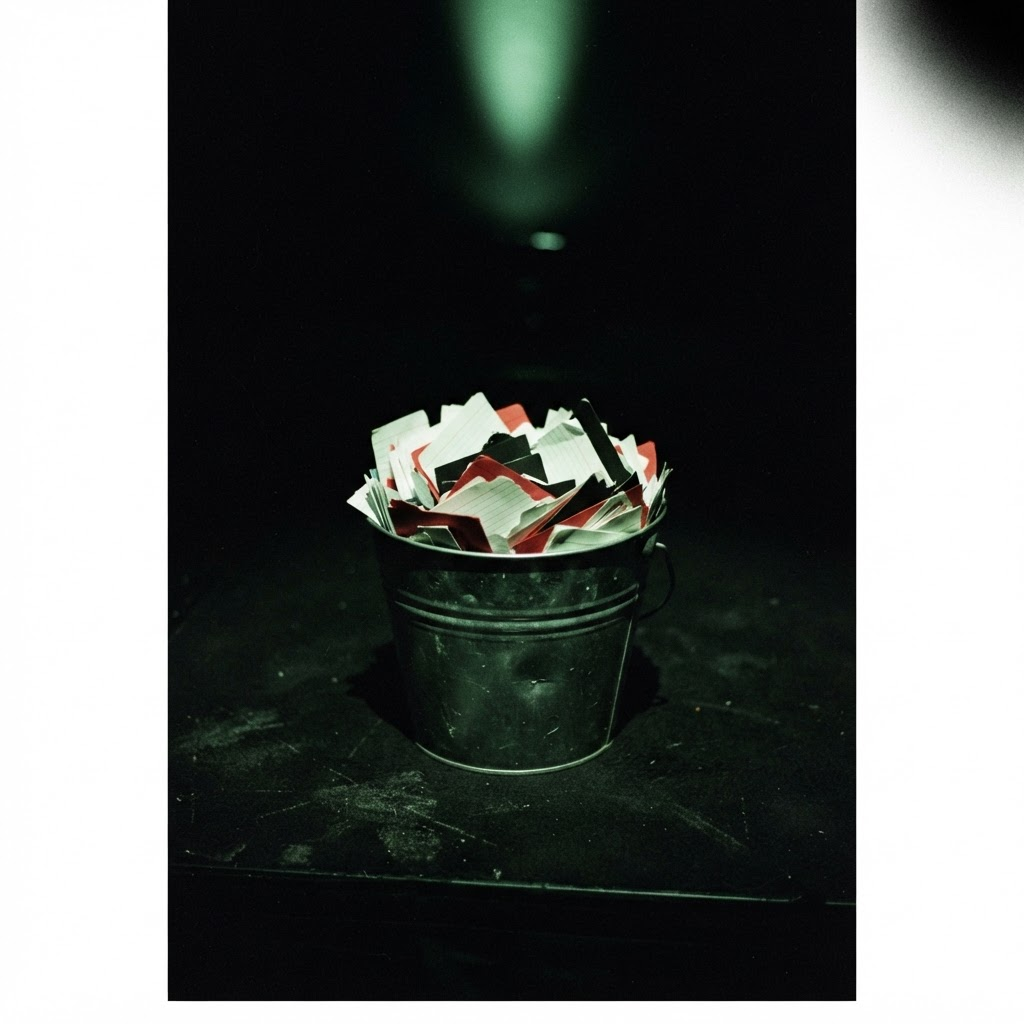
Question bucket
◇demo-onlyThe question bucket is the unauthenticated ingestion endpoint.
Cards live in this browser only. Nothing is transmitted anywhere.
- ▸White cards: questions.
- ▸Red cards: weird behavior.
- ▸Black cards: synthetic test traffic planted by Michael.
demo-only — cards live in this browser's memory. Nothing is transmitted.
Callback
Keep the receipts.
The phone could ring. It could not quietly call nine other systems and tell me everything went fine. Our agents can.
Talk resources
Start with the deck itself.
The talk surface is public, machine-readable, and designed to remain useful after the room goes quiet.
HOPE talk slides
●livehope.platphormnews.com
Canonical public talk surface.
Standards and specifications
The useful patterns were already on the web.
These are standards and conventions worth reading next: discovery, contracts, trace context, structured metadata, crawler policy, and agent capability surfaces.
W3C Trace Context
●livewww.w3.org/TR/trace-context
RFC 8615 — Well-Known URIs
●livewww.rfc-editor.org/info/rfc8615
RFC 9116 — security.txt
●livewww.rfc-editor.org/rfc/rfc9116.html
RFC 9309 — Robots Exclusion Protocol
●livewww.rfc-editor.org/info/rfc9309
OpenAPI Specification
●livespec.openapis.org
JSON Schema 2020-12
●livejson-schema.org/specification
AsyncAPI Specification
●livegithub.com/asyncapi/spec/blob/master/spec/asyncapi.md
Model Context Protocol
●livemodelcontextprotocol.io
Agent2Agent Protocol
●livegithub.com/a2aproject/A2A/blob/main/docs/specification.md
JSON-LD 1.1
●livewww.w3.org/TR/json-ld
Atom / RFC 4287
●livewww.rfc-editor.org/info/rfc4287
RSS 2.0
●livewww.rssboard.org/rss-specification
Sitemaps Protocol
●livewww.sitemaps.org/protocol.html
Web Application Manifest
●livewww.w3.org/TR/appmanifest
CloudEvents
●livegithub.com/cloudevents/spec/blob/main/cloudevents/spec.md
llms.txt
●livellmstxt.org
Experimental patterns
Novel does not mean magical.
These are the talk patterns I used experimentally: agent-policy.json, trust.json, receipts, and execution fingerprints.
- 01Representation: JSON -> XML -> Markdown -> SVG / ASCII
- 02Discovery: SearchOps -> TrustOps -> AgentOps -> SitemapOps -> BrowserOps
- 03Agent harness: Spec -> AgentUI -> Sandbox -> BrowserOps -> Evals
- 04Evidence: Trace -> Receipt -> Fingerprint -> Provenance
- 05Machine discovery: OpenAPI -> MCP -> llms.txt -> Sitemap -> /.well-known/*
The pattern is not one file. It is a chain of readable, testable promises.
Fun stuff and Starphone
●liveA few rabbit holes for later.
Links reviewed from the attached resource PDF and user-provided list.
image-to-ascii
●liveascii.platphormnews.com
ascii-to-image
●livedesascii.platphormnews.com
ascii-to-video
●livea2v.platphormnews.com
video-to-ascii
●livev2a.platphormnews.com
BBS
●livebbs.platphormnews.com
The Starphone
●livethestarphone.com
Starphone Gallery
●livethestarphone.com/gallery
Starphone Design Drawings
●livestarphone.platphormnews.com/making-of-starphone/Starphone-Design-Drawings.pdf
@platphormnewsnetwork
…plannedgithub.com/platphormnewsnetwork
End card
↻replayMaking of Starphone.
Local MP4 asset added from the attached video file.
Note
A short making-of clip for the physical interface that started the story.
A short making-of clip for the physical interface that started the story.